Market
Oil price almost 9 percent below its late October peak, market stays nervous
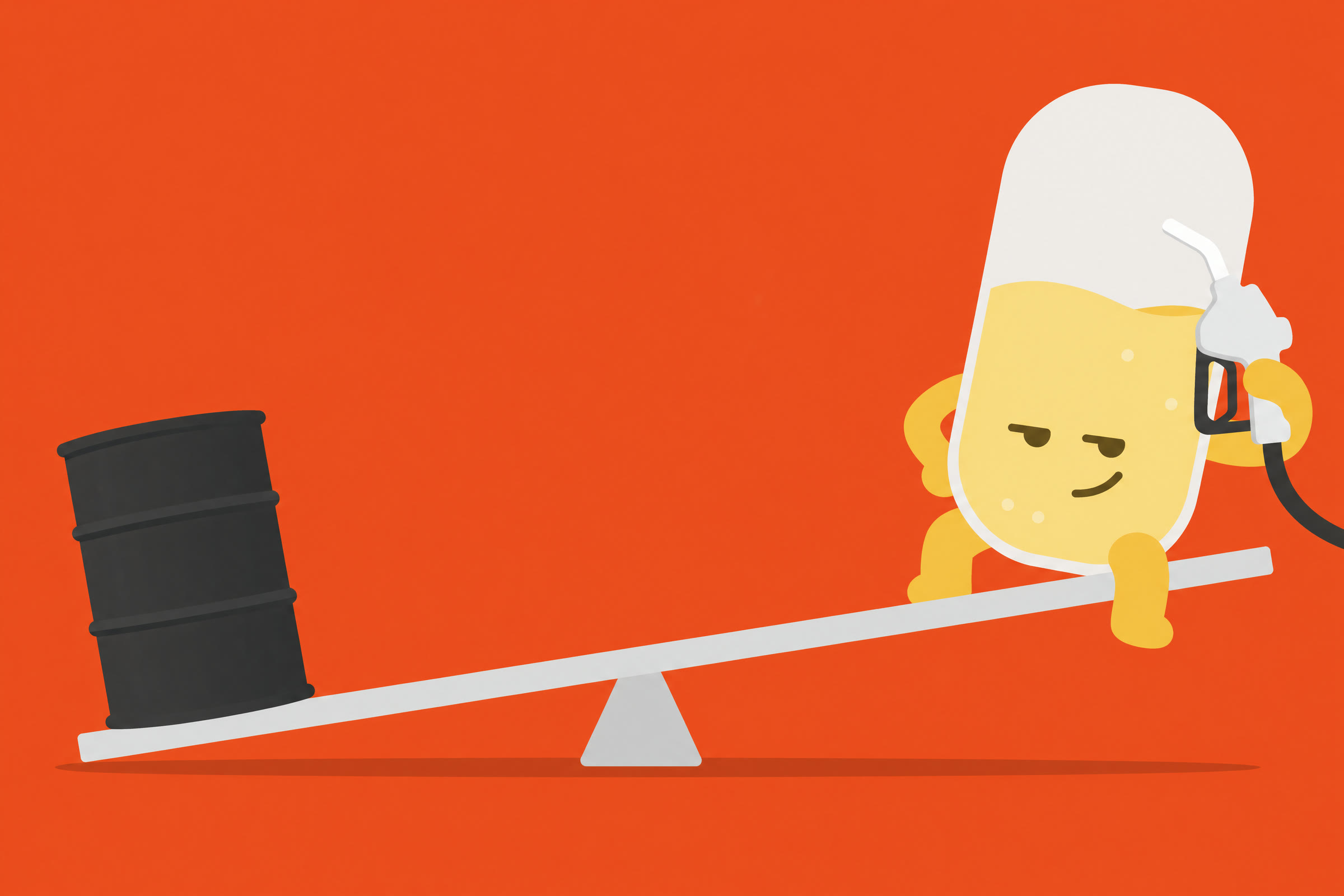
Brent, the benchmark for crude oil in Europe, closed on 3 November almost 9 percent below its level of 30 October, on hopes of new talks between the United States and Iran. The market remains sensitive to news from the Gulf, and the price is still well above where it stood before the war.
Hopes of new talks between the United States and Iran have pushed down the price of Brent, the benchmark for crude oil in Europe. The contract for January delivery settled at $103.60 a barrel on Tuesday 3 November, down from $113.43 on 30 October. That is 8.7 percent lower. Even so, the market remains sensitive to news from the Gulf.
Unrest in the Gulf
Before the war with Iran began in late February, Brent stood at around $73 a barrel, according to Reuters. In October it rose by another 13.6 percent. On 30 October the expiring December contract settled at $117.64, the highest level since the end of April.
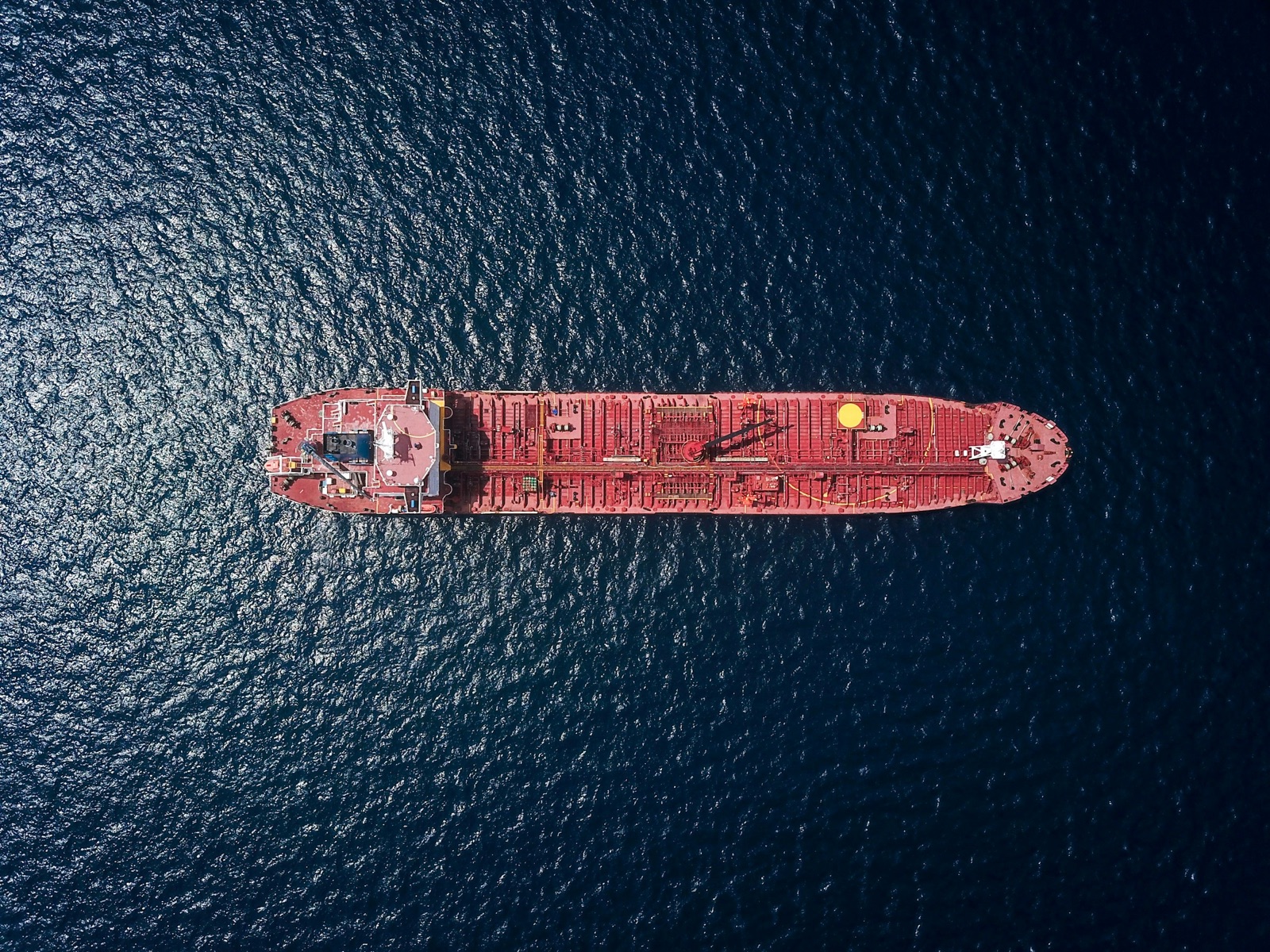
The Houthis said they had attacked Saudi facilities, including the Ras Tanura and Rabigh refineries. In the Strait of Hormuz, a tanker was hit by limpet mines. Maritime sources called it the first known successful attack of its kind in this war.
On Monday 2 November, Brent fell 7.64 percent to $104.77 as investors bet on new talks, AFP reported. On Tuesday the price swung between $100.80 and $107.24.
In the night of 2 to 3 November, the United States struck the Iranian island of Qeshm in the Strait of Hormuz, President Trump confirmed. Analysts at ING say this makes it probably too early to write off the risk of escalation. On Wednesday 4 November, Iran's Revolutionary Guards said four tankers had hit sea mines south of the Strait of Hormuz.
What it means at the pump
The oil price is the basis of the pump price, and a fall can feed through with a delay. For diesel the effect may be smaller: the International Energy Agency (IEA) expects supply to stay tight well into 2027.
Grenshopper works out where filling up is cheapest on each trip, across the border too.