Market
Dutch MPs to vote on 12 November on extending petrol and diesel excise cut
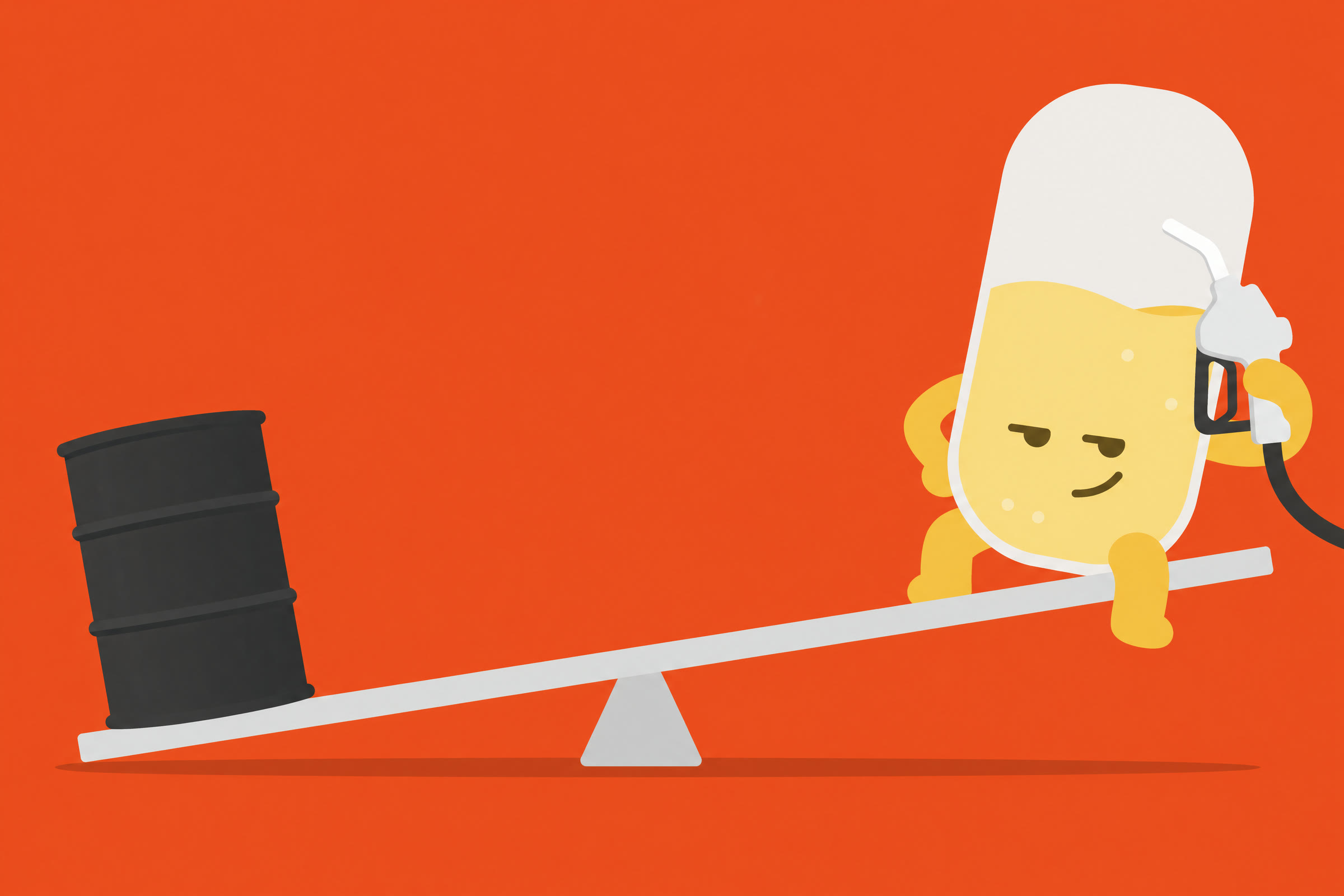
Whether filling up in the Netherlands becomes much more expensive on 1 January depends on the votes on the Tax Plan 2027. The cabinet proposes to extend the excise cut on petrol and diesel by one year.
The cabinet of Prime Minister Jetten sent its amended Tax Plan 2027 to the House of Representatives on 3 November. Talks with seven opposition parties on 31 October produced no agreement, NOS reports.
The plan proposes extending the temporary excise cut on petrol and diesel until 31 December 2027. The House debates it on 4 November and votes on 12 November. The Senate follows, where the cabinet lacks a stable majority and support is uncertain.
What the cut is worth
The Rijksoverheid, the Dutch government, puts excise in 2027 at about 85 cents per litre for petrol and 55 cents for diesel with the extension, and about 1.03 euros and 67 cents without it.
Calculated exactly, the gap for petrol is 17.6 cents per litre, just over 21 cents with VAT. Passed on in full, that is just over 10 euros per tank of 50 litres. For diesel it is about 12 cents, just over 14 cents with VAT. Even with the extension, petrol excise rises by 0.7 cents per litre on 1 January.
LPG and travel allowance
The current cut also covers LPG, but the proposal does not extend it for LPG. For LPG it ends on 31 December 2026, so LPG drivers pay more excise from 1 January. For petrol and diesel the cut shrinks in 2028 and ends on 1 January 2029.
The cabinet also wants to raise the maximum travel allowance employers can pay free of tax from 23 to 25 cents per kilometre, backdated to 1 January 2026. Employers set the amount.
The votes help decide what fuel costs in the Netherlands in 2027 and how wide the gap with neighbouring countries becomes.